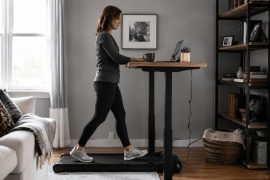
Stand up. Sit less. Move more.
It sounds simple, but the new Australian 24-hour movement guidelines show why this message matters. Good health is not only shaped by planned exercise or regular weekend workouts. It is shaped by how we spend the whole day. For workplaces, this is an opportunity to rethink everyday routines and make small, practical changes that help people sit less, move more, and feel better.
The problem with the “mostly sitting” workday
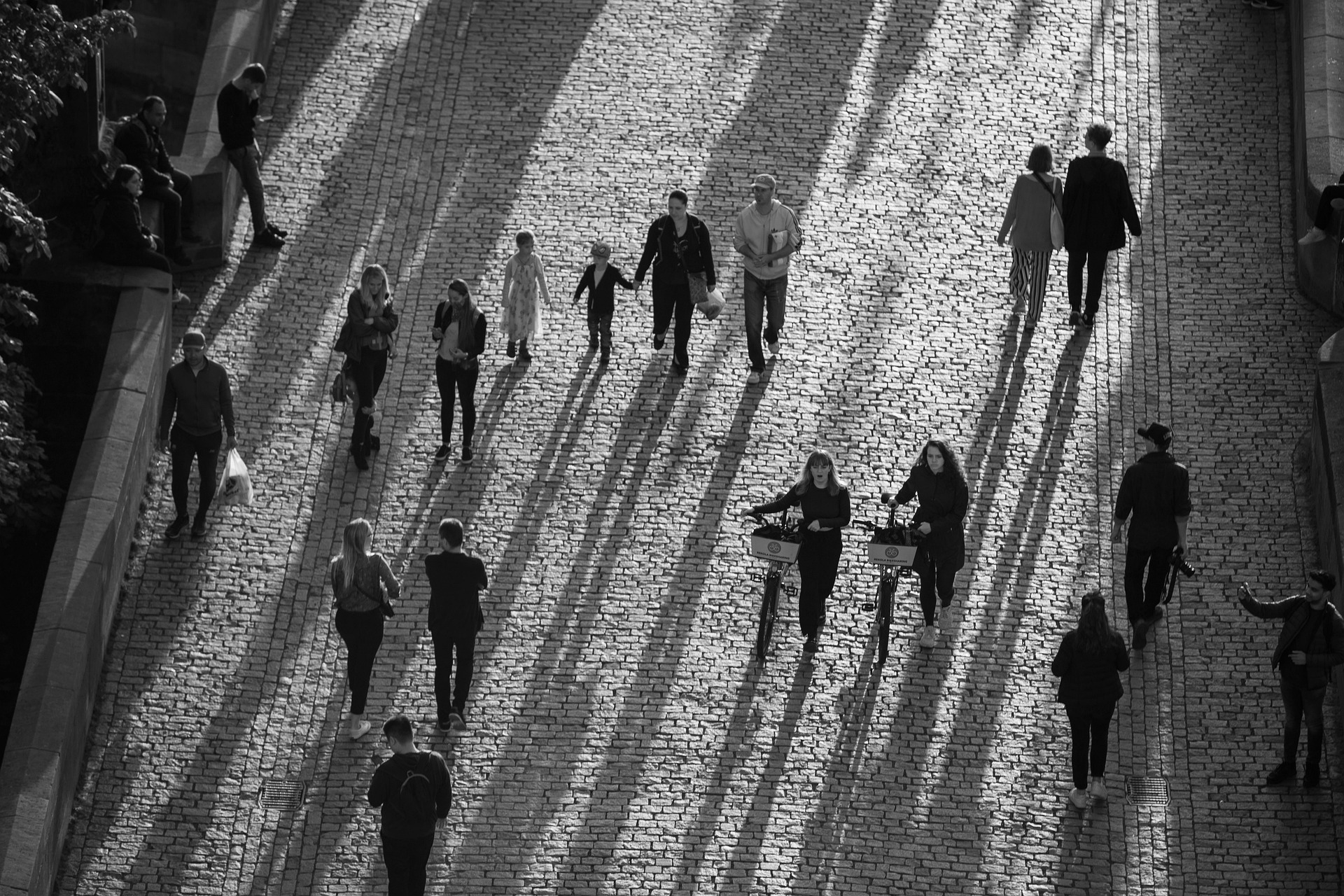
For many Australian workers, the workday is built around sitting. We sit to check emails, attend meetings, write reports, join video calls, travel between sites, and even sit to take breaks. Before we know it, hours have passed with very little movement.
This matters because sedentary behaviour is not simply the absence of exercise. It refers to waking behaviours done while sitting, reclining, or lying down, with very low energy use. Long periods of uninterrupted sitting can have negative short and long term health impacts, even for people who are physically active outside work.
The new 24-hour movement guidelines help make this clearer: health is shaped by the balance of movement, sitting, and sleep across the whole day.
What are the new 24-hour movement guidelines?
Australia’s new 24-hour movement guidelines bring physical activity, sedentary behaviour and sleep together. For adults, the guidelines highlight the importance of:
- Doing moderate to vigorous physical activity on most days.
- Including muscle-strengthening activities at least two days per week.
- Getting several hours of light-intensity physical activity each day.
- Limiting sedentary time and breaking up long periods of sitting as often as possible.
- Prioritising healthy sleep, generally around 7–9 hours for adults aged 18–64 years and 7–8 hours for older adults.
The big message is simple: every movement behaviour matters. A healthy day is not just about whether we exercise. It is also about how often we interrupt sitting, how much light movement we accumulate, and whether our routines support recovery and sleep.

Why this matters for workplaces
Workplaces are one of the most important settings for reducing sedentary behaviour because this is where many adults spend a large part of their waking day.
For desk-based workers, sitting is often the default. It is built into the furniture, the meeting culture, the technology, the workflow, and the expectations of what “productive work” looks like. But productivity does not need to mean staying seated.
In fact, small changes to the workday can help staff feel more alert, connected and energised. Standing during part of a meeting, walking while taking a phone call, moving between tasks, or building in a short stretch break are simple actions that can interrupt long periods of sitting without disrupting work. This is where workplace champions, health promotion teams, managers and coordinators can make a real difference. The goal is not to add another wellness task to everyone’s already busy day. The goal is to make the healthier choice the easier choice.

Where BeUpstanding fits in
If you are a regular reader of this blog you should be pretty familiar with BeUpstanding. But if you are new, here is a quick recap.
BeUpstanding is a free, evidence-informed workplace health program developed by researchers at The University of Queensland. It supports desk-based workplaces to stand up, sit less and move more through practical, low-cost changes.
The program is designed around a “train-the-champion” approach. This means a workplace champion is supported with tools, resources and step-by-step guidance to create local change. Rather than relying on one-off education, BeUpstanding helps workplaces look at their culture, environment and daily routines.
This might include encouraging standing or walking meetings, placing printers or bins further away, prompting staff to break up sitting, using sit-stand desks effectively, or creating team challenges that make movement visible and fun.
One of the strengths of BeUpstanding is that it recognises that every workplace is different. A small office, a university team, a government department, a call centre, and a hybrid workplace will all have different needs. The program helps teams choose strategies that suit their context.

Sedentary behaviour is everyone’s business
Reducing workplace sitting is not just an individual responsibility. It is easy to tell people to “move more”, but much harder for them to do so if their work systems make sitting the only realistic option.
A 24-hour movement approach invites us to think more broadly. For example:
- Are meetings always scheduled back-to-back, leaving no time to move?
- Are staff encouraged to stand, stretch or walk during appropriate tasks?
- Do managers model taking movement breaks?
- Are hybrid and remote workers included in wellbeing strategies?
- Are staff supported to take breaks without feeling guilty?
- Are movement prompts built into team routines, not just individual reminders?
These questions shift the focus from willpower to workplace design. They also help reduce the risk that movement becomes something only available to people with flexible roles, private offices, or access to expensive equipment.
The takeaway
The new 24-hour movement guidelines remind us that a healthy day is made up of many small choices. For workplaces, the opportunity is to move beyond asking whether staff are exercising and start asking: does the way we work make it easy to sit less and move more?
BeUpstanding offers a practical way to act on this message. By supporting workplace champions to create small, sustainable changes, it helps teams make movement part of the working day, not another task on the to-do list!
You can signup to BeUpstanding now!