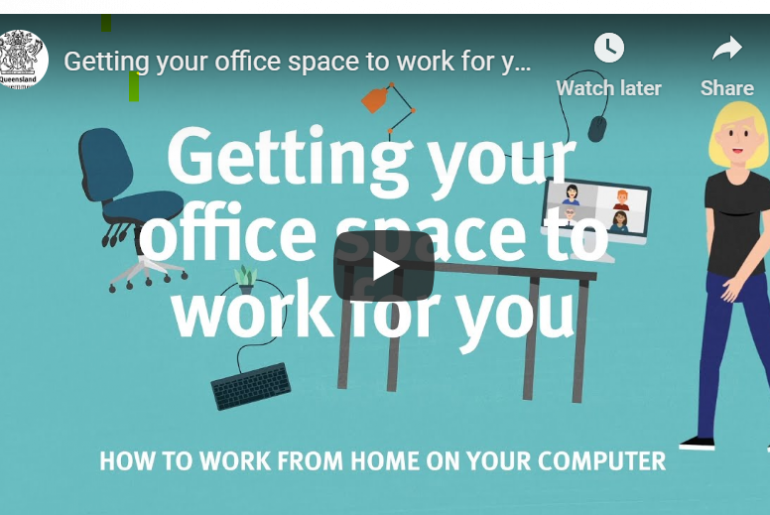
The coronavirus has rapidly changed the way we live and work. It has also exposed stark inequities between those who can work safely from their home and those who have to physically attend a workplace. This great animated article and thought piece from the BBC explores what the future may look like in a post-covid world.
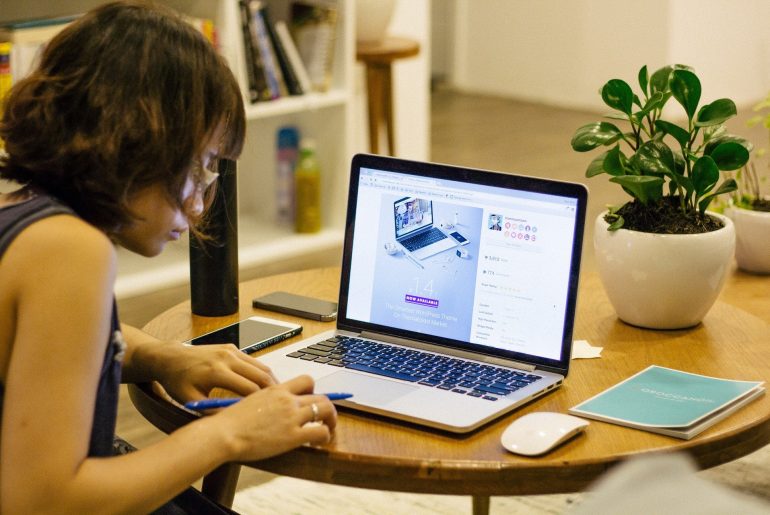
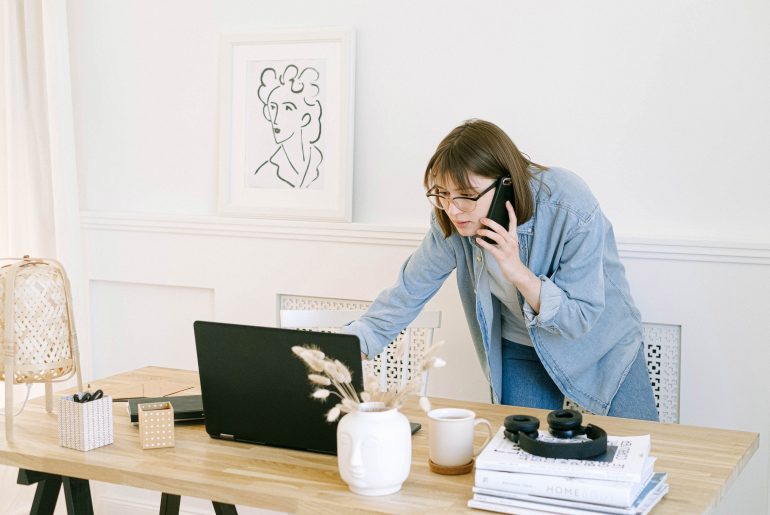
So imagine this scenario: piping hot coffee on your desk, paperwork and pens strewn across your table, you sit in your swivel office chair and your hands eagerly move towards your keyboard. All of a sudden, your coffee has turned cold, fearful symptoms of repetitive strain injury start to show, four hours have passed and you realized you have not moved an inch away from your workstation. I assume there are some head nodding and sighs of agreement as you recall the last time this happened to you. It is easy to forget the amount of time you spend using your electronics, especially when you are knee deep in your work. Prolonged sitting for hours on end can lead to detrimental health risks like cardiovascular diseases and type 2 diabetes, as well as decreases in productivity and overall mood. However, if you are aware of the risks, and want to get up regularly, it can be easy to forget. Fortunately, there are many solutions available that can give that gentle nudge or prompt to change posture and ensure you move more when you work. For me personally, I have never relied on apps to keep myself accountable and struggle with…
Dr Ana Goode and A/Prof Genevieve Healy – the lead investigators on BeUpstanding – featured on the latest episode of the Physical Activity Researcher podcast – a Finnish initiative. They discuss the evidence that underpins BeUpstanding, the impact of COVID-19 on the program, and some simple strategies workplaces can do right away to start sitting less and moving more. Enjoy!
With staff moving to working more from home as a result of COVID-19, this can present additional challenges to running health and well-being programs within a workplace. We have had many workplaces contact us to ask whether they can still implement BeUpstanding if staff are not located in the office or onsite and the good news is YES! BeUpstanding is designed to be able to be implemented with your staff no matter where they are working from and we have had many BeUpstanding champions who have successfully taken part in the program during the last few months whilst dealing with changes to staff working locations. Two of these champions share their experience below with running the program in their workplace before and during COVID-19 imposed changes, and provide insights and tips for how they were successfully able to engage staff in the program and encourage them to sit less and move more while “at” work. Our two Champions are Sabrina from CheckUp in Brisbane and Matthew from Breakthru in Sydney. How did COVID-19 affect your workplace? Sabrina: As a result of the COVID-19 pandemic, all CheckUP staff began working remotely from home throughout the course of the pandemic. In terms of…
Social support involves having a network of friends, family and peers that you can turn to in times of need. Psychologists and other mental health professionals often talk about the importance of having a strong social support network. Why is having social support particularly relevant during social isolation? In the time of COVID-19 pandemic, you may have felt more irritated, lonely, or more easily affected by stressful situations. These experiences may be a trigger to reach out and connect with others. While some people have taken the lockdown time as a chance to reengage with hobbies, or home or garden projects, others may be busier than ever due to the changes induced by the lockdown. Regardless of whether you are enjoying some more free time, or adding another ball or two to your day-to-day juggle, feelings of loneliness, anxiety and isolation can arise from social-distancing requirements. This is because of the distress people experience when their social relations are not the way they would like. Poor social support has been linked to depression and loneliness has been shown to increase the risk of depression, alcohol consumption, cardiovascular disease and other physical ailments. Research has also demonstrated the link between social relationships…
COVID-19 has upended business operations on a global scale and has forced many workplaces to rapidly transition to staff working remotely. However, with organisations adapting to change and staff experiencing the benefits of working from home, it may be the case that the shift towards telecommuting is here to stay. While the focus of organisations has been on ensuring the safety of their employees at this time, employee well-being is also becoming an area of greater significance. According to the Center for Disease Control (CDC), well-being is “the ability for individuals to address normal stresses, work productively, and realize their highest potential.” A wellness program should be designed to support the overall health and well-being of employees, while aiming to meet the specific needs of each individual employee. If you and your team are new to working from home, navigating this change on its own can be challenging. While your organisation may already have a wellness program or initiative in place, being able to adapt the program and make it relevant and engaging for staff working remotely can come with its own set of challenges. So how do you set you and your team up for success when it comes…
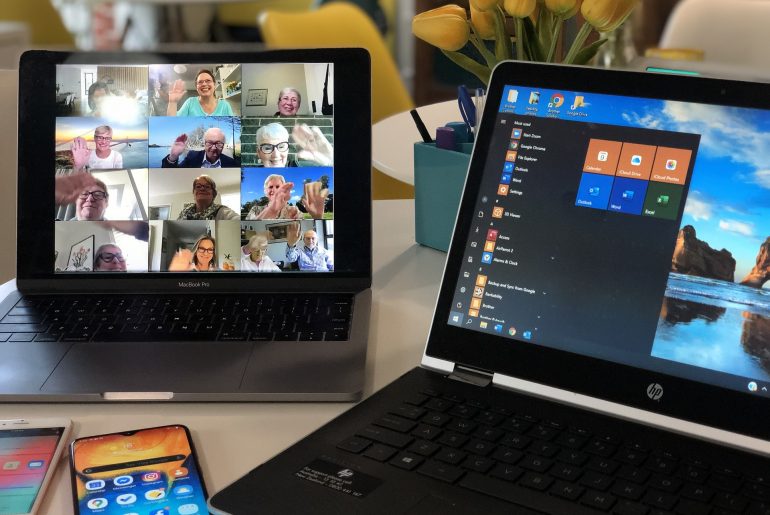
During the recent COVID-19 outbreak, the Australian government had implemented social isolation in an effort to flatten the curve. Many office-based employees were encouraged to work from home in order to minimize the risk of individual’s exposure to COVID-19 through face to face contact. While working from home is reasonably practicable with the current available technology, this is often associated with a shift in workplace culture. Critical to maintaining a successful workplace culture is ensuring that there is knowledge sharing among employees. What is a knowledge-sharing culture? A knowledge-sharing culture is a set of understandings that focus on disseminating existing knowledge among team members and bringing new knowledge from the external environment. It is a set of unwritten guidelines that promotes sharing knowledge, experiences, and insights that are critical for accomplishing team missions. The key elements in knowledge sharing are not only the hardware and software, but also the ability and willingness of team members to actively participate in the knowledge sharing process. Why it is important: Shared understanding is a collective way of ensuring organisation relevant knowledge, and can influence the ability of teams to cooperate and perform well. The internet enables knowledge exchange in ways such as online group…
This personal piece was written by Jade Lim – a 4th year psychology student at UQ as part of her placement with the BeUpstanding team As we are all practicing social distancing rules, the majority of us are working from home. While doing university remotely, I felt like I have been stuck in a continuous loop where the concept of time and space were merely a distant dream. Okay, maybe my situation during this pandemic isn’t that dramatic, but honestly I have been so unmotivated to do anything and I am sure many students feel the same way. With the transition of classes from being offline to strictly online, I find it even harder to keep up with the tutorials and lectures than when I had to go on campus. The lack of face-to-face communication and accountability allowed procrastination to occur easily. Alas, being at home calls for distractions or the endless amount of ways you can preoccupy yourself besides actually doing something productive. The fridge, TV and bed all seem to call out my name whenever an assignment deadline is closing in. Besides that, being extremely reliant on technology and the internet has made me prone to having strained…
Many of our work teams who have signed up for BeUpstanding are taking part in a national evaluation of the program. This evaluation is funded by the National Health and Medical Research Council of Australia (NHMRC) in partnership with our fantastic policy and practice partners. We have now published the protocol of this evaluation, and the free article is available online here. The key questions we are asking in the evaluation is: who is taking part in the program, how are the champions delivering the program, does the program work (and for whom does it not work), and how much does it cost. We are still recruiting for the trial and we are looking for desk teams from across Australia to sign up now. Importantly – you can run BeUpstanding even if your team is working from home, or has a mix of home and office. Indeed, BeUpstanding might be the perfect program to help your team stay connected while also supporting their health and wellbeing.
Due to the current COVID-19 situation, social distancing and self-isolation measures have been implemented across the globe. With more people confined in their homes, there is less opportunity for people to lead active lifestyles. This is particularly concerning given that physical inactivity is directly linked to the development of chronic health conditions such as cardiovascular disease and diabetes: two of Australia’s biggest killers. Depending on where you live, your choices for how to be active may have been reduced dramatically, with the lockdowns seeing closures to gyms, public pools, and national parks. One option that does remain for leaving the house, however, is to walk the dog. The benefits of dog ownership for activity levels of their owners have long been recognised. Studies done in Japan, the UK and America have shown that dog owners have higher levels of physical function and physical activity as compared to non-dog owners. Studies have also shown that having certain pets like dogs and horses leads to a stronger association with outdoor recreational activities as compared to non-pet owners. By attending to their needs, pets also help you to sit less and move more while you are in the house as well. Regardless of…