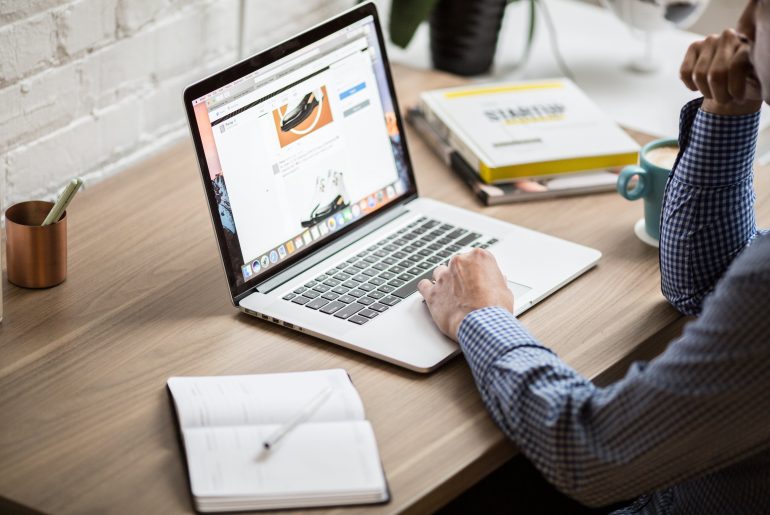
This personal piece was written by Jade Lim – a 4th year psychology student at UQ as part of her placement with the BeUpstanding team As we are all practicing social distancing rules, the majority of us are working from home. While doing university remotely, I felt like I have been stuck in a continuous loop where the concept of time and space were merely a distant dream. Okay, maybe my situation during this pandemic isn’t that dramatic, but honestly I have been so unmotivated to do anything and I am sure many students feel the same way. With the transition of classes from being offline to strictly online, I find it even harder to keep up with the tutorials and lectures than when I had to go on campus. The lack of face-to-face communication and accountability allowed procrastination to occur easily. Alas, being at home calls for distractions or the endless amount of ways you can preoccupy yourself besides actually doing something productive. The fridge, TV and bed all seem to call out my name whenever an assignment deadline is closing in. Besides that, being extremely reliant on technology and the internet has made me prone to having strained…

BeUpstanding study protocol published
Many of our work teams who have signed up for BeUpstanding are taking part in a national evaluation of the program. This evaluation is funded by the National Health and Medical Research Council of Australia (NHMRC) in partnership with our fantastic policy and practice partners. We have now published the protocol of this evaluation, and the free article is available online here. The key questions we are asking in the evaluation is: who is taking part in the program, how are the champions delivering the program, does the program work (and for whom does it not work), and how much does it cost. We are still recruiting for the trial and we are looking for desk teams from across Australia to sign up now. Importantly – you can run BeUpstanding even if your team is working from home, or has a mix of home and office. Indeed, BeUpstanding might be the perfect program to help your team stay connected while also supporting their health and wellbeing.
How pets help us to sit less and move more
Due to the current COVID-19 situation, social distancing and self-isolation measures have been implemented across the globe. With more people confined in their homes, there is less opportunity for people to lead active lifestyles. This is particularly concerning given that physical inactivity is directly linked to the development of chronic health conditions such as cardiovascular disease and diabetes: two of Australia’s biggest killers. Depending on where you live, your choices for how to be active may have been reduced dramatically, with the lockdowns seeing closures to gyms, public pools, and national parks. One option that does remain for leaving the house, however, is to walk the dog. The benefits of dog ownership for activity levels of their owners have long been recognised. Studies done in Japan, the UK and America have shown that dog owners have higher levels of physical function and physical activity as compared to non-dog owners. Studies have also shown that having certain pets like dogs and horses leads to a stronger association with outdoor recreational activities as compared to non-pet owners. By attending to their needs, pets also help you to sit less and move more while you are in the house as well. Regardless of…
Virtual Workouts You Can Do From Home
With social distancing regulations in place and gyms forced to close you are likely finding yourself adjusting to life indoors. But just because you may not be able to do your usual forms of exercise, it doesn’t mean you should stop altogether. Exercise not only has multiple benefits to your physical health but it is also a great stress- reliever. Continuing to maintain some sort of a routine is so important in times likes these where we can feel more stress than usual. We’ve put together a selection of online exercise platforms with on demand fitness content who provide free access to workouts you can do at home that cover a whole range of exercise styles. You can access the content via a smartphone app, YouTube or live streams on social media and you don’t necessarily need any equipment. All you need to do is find a space and get started. The best thing is no one is watching! Just as you schedule your diary to organise your workload and meetings, you should find time to exercise. Treat exercise with the same priority as a phone call with a client. Blocking out time away from your desk means that you…
It is a marathon – not a sprint: perspectives from quarantine
This personal post is written by guest blogger Meg Grealy – who speaks of her experience of returning from overseas and into quarantine. Had you asked me in January, or even the beginning of March, what my April days were looking like they would sound achievable, nothing too extreme, just the routine of a twenty-something who had just moved to the UK on a working visa. I would have said a morning run (so I could make it across the finish line of the 10k I’d signed up to run on May 3rd) a 3-day work week, and an exploratory beer in various pubs across my new city. In hindsight, the only thing I managed to get right is the daily run (although it’s purpose is now to harness endorphins for the day). And yet the daily run is maybe the only thing that has kept me sane and allowed me to stay present in a period where everything is confusing. It seems the only effective strategy of taking control is to muddle through conflicting emotions and anxiety-inducing news cycles. As we started this year during a bushfire crisis, I feel as if there has been a delay in…
Health impacts of sedentary behaviour interventions: new evidence
One of the questions that we are frequently asked is about the health impacts of supporting adults to stand up, sit less and move more. Our team has just published a systematic review and meta-analysis examining this question in relation to indicators of heart and metabolic health in the British Journal of Sports Medicine. The group of lead authors have written a blog article for the Sedentary Behaviour Research Network, which we have reprinted below. Sedentary behaviour interventions in real-world conditions: what are the health benefits? In recent years, interventions to reduce sedentary behaviour in various settings, including the workplace, have become quite prevalent, in recognition of the potential risks of sedentary behaviour to cardiovascular disease and type 2 diabetes. Systematic reviews evaluating their success have concluded that they do reduce sedentary behaviour, to varying degrees, but so far have yet to determine the extent to which these ‘real-world’ interventions provide the health parameters such as have been reported for acute laboratory interventions. Accordingly, we conducted an extensive systematic review with meta-analyses of interventions targeting sedentary behaviour in free-living conditions for ≥7 days, alone or combined with physical activity. We specifically focused on their effectiveness for adults on biomarkers of cardiometabolic risk, particularly those related to body anthropometry, blood…
3 Tips from a Health Coach to Staying Active and Healthy when Working From Home
One of the biggest problems from working at home can be inactivity. There’s no walking to get a cup of coffee, visiting a nearby colleague, taking the stairs to the bathroom or those incidental types of activity that come from being in a workplace with people and areas spread out. Everything is within easy reach at home. Couple that with a busy workload and this can mean sitting for as long as possible until the task is done. Suddenly hours have gone by and we’re still sitting hunched over the desk. Remaining in one posture for hours at a time can affect the muscles in your back, neck, hip flexors, hamstrings and calves. Excessive sitting can affect your metabolism, increase blood pressure, blood sugar and cholesterol – and that’s just the tip of the iceberg! Staying active when working from home may seem easy. Without the daily commute and perhaps having more flexibility in your working hours, surely being at home affords you more time to spend on exercise? Whilst this may be true in theory, we may quickly fall into routines that do not prioritise healthy activity and the boundaries between work and personal life become blurred. The best…
Hack for a home office – article from ABC online 31st March
This article was posted by the ABC online on the 31st March, 2020. You can find the original article here. Working from home during coronavirus shutdown? These hacks may help keep ease the pain of your home office ABC Health & Wellbeing – By Genelle Weule Working from home can be physically and psychologically challenging. (Getty Images: Planet Flem) Kitchen benchtops and dining room tables around Australia have become workspaces as office workers have been advised to work from home in the face of the coronavirus pandemic. Where the opportunity to work from home in your PJs might have once seemed like a treat, the rapid shift to working from home — if that is even an option for you — is challenging. Suddenly, you may find yourself working in the same space as your family, bent over a laptop instead of sitting or standing at a dedicated workstation with ergonomic equipment. The combination of long hours on a laptop on the kitchen table can be both physically and psychologically stressful over the long haul. “It’s worth investing some time thinking about how to make this work to protect your physical and mental wellbeing,” said Jodi Oakman, who leads the Centre for Ergonomics and Human…
Some quick ideas for your team to BeUpstanding when working remotely
One of the core principals of BeUpstanding is to build a supportive team culture that supports more movement, more often. But, how do you do that when members of your team are working from home or offsite? At team BeUpstanding we are working on a bunch of new resources to help support you and your team to sit less and move more – no matter where you are working from. While you wait for them, here are some quick suggestions on how you can BeUpstanding as a team while working remotely: Stand up and stretch during teleconferences: have this part of your remote etiquette that you support movement during meetings! Build in team reminders or prompts to stand and move through shared calendars and project management software Set team strength goals where everyone’s light resistance exercises (like calf raises, wall push ups) contribute to the daily team goal Send email reminders to take regular movement breaks like filling up your water glass
Keep it moving – fact sheets from Baker Heart & Diabetes Institute now available
One of the Academic partners on BeUpstanding – Baker Heart & Diabetes Institute – has put together some fantastic resources and fact sheets to help people keep it moving during the pandemic. Below is a snip from their healthy adults fact sheet. They also have fact sheets for people living with heart disease, people living with diabetes, people living with cancer, and older adults. This is just the start of a series of blogs and resources we will be providing to you through our BeUpstanding blog as we adjust to these extra-ordinary times. Stay safe, stay well, be kind – and, if you can – BeUpstanding.